If you sell accessories to repair shops, school resellers, marketplace stores, or enterprise procurement teams, iPad tempered glass is still a practical B2B category in 2026. Tablets stay in service longer than phones, but their screens are larger, more exposed, and more expensive to replace. Buyers care about fit, coating, installation yield, packaging, and realistic MOQ.
According to IDC, worldwide tablet shipments reached 39.6 million units in Q3 2024, up 20.4% year over year. Meanwhile, Grand View Research estimated the global screen protector market for smartphones at about USD 52.7 billion in 2023 and projected it to reach USD 84.96 billion by 2030. While that market figure is smartphone-focused, it still confirms strong long-term demand for protective accessories across mobile devices.
This guide explains which iPad and tablet SKUs deserve priority, what specifications reduce return rates, and what MOQ, price, lead time, and OEM packaging benchmarks buyers should expect from a China supplier.
Why iPad and tablet tempered glass is still a strong wholesale category in 2026
For wholesalers, tablets are attractive because the demand is less trend-driven than phone accessories. Many schools, POS installers, hospitality buyers, and repair chains keep the same tablet models in circulation for years.
Demand is coming from four buyer groups
- Repair shops and refurbishers: They need reliable fit, clean adhesive, and low breakage in transit.
- Education distributors: Schools often purchase standard clear glass for iPad 10.2-inch and 10.9-inch models in repeated batches.
- Enterprise and field-service buyers: Logistics, healthcare, and retail teams want anti-glare or privacy versions for shared-use tablets.
- E-commerce sellers: They want multiple model sizes, retail-ready packaging, and faster replenishment on best-selling SKUs.
Larger screens mean higher replacement cost
A damaged iPad screen is a real expense. Because tablets are used for study, work, checkout counters, and presentations, the perceived value of protection is higher. That makes tablet glass a good category for margin protection, especially when buyers combine it with accessories such as cables or cases. If you also sell phone-sized glass, our 9D vs 2.5D tempered glass wholesale comparison is a useful reference for explaining edge coverage to customers.
Which models and sizes should wholesalers prioritize
The best wholesale program does not start with every model. It starts with the SKUs that move consistently and are easy to replenish. In most export markets, the winning mix is still entry-level iPads, mainstream 11-inch models, and a selected group of Samsung tablets.
| SKU group | Typical models | Main buyer channel | Typical FOB price |
|---|---|---|---|
| 10.2 / 10.9-inch iPad | iPad 9th/10th gen, Air 10.9 | Schools, repair shops, distributors | USD 0.85-1.40 |
| 11-inch premium iPad | Air 11, Pro 11 | Retail chains, marketplace sellers | USD 1.10-1.90 |
| 12.9 / 13-inch iPad Pro | Pro 12.9, Pro 13 | Premium resellers, enterprise | USD 1.80-3.20 |
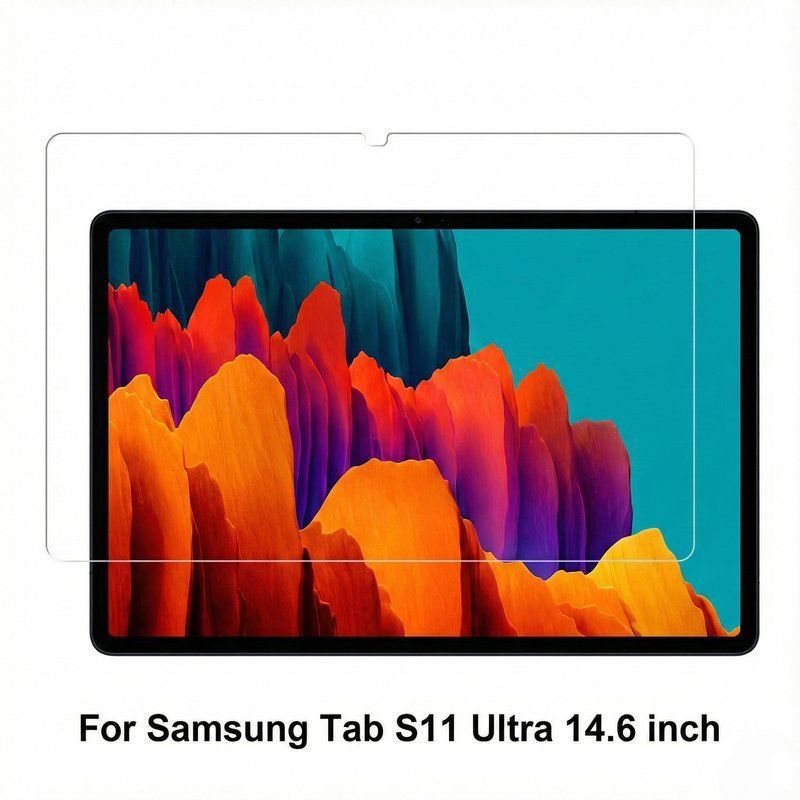
| Samsung tablet glass | Galaxy Tab A, Tab S, FE series | Mixed Android channels | USD 0.90-1.90 |
These are typical factory ranges for clear glass with standard packaging. Anti-glare, paper-feel, and privacy versions usually add another USD 0.60-1.50 per piece depending on size and coating. Buyers should also confirm exact camera cutouts, speaker openings, and edge shape before mass production.
Key specifications that decide return rate and margin
Thickness, edge finish, and adhesive matter more than slogans
In tablet glass, the safest mainstream thickness is still 0.33 mm. It balances strength, touch sensitivity, and installation feel. 0.26 mm looks slimmer and can feel slightly more responsive, but it is often chosen for premium lines rather than volume orders. 0.4 mm can improve rigidity on some larger panels, but it adds thickness and is not always the best retail choice.
Edge finish is equally important. Buyers should check whether the product is standard 2.5D edge, black-border full cover, or anti-glare etched surface. Full-surface AB glue or OCA-style adhesion is preferred over weak perimeter-only bonding because it reduces rainbow effect, lifting, and customer complaints.
Clear, anti-glare, paper-feel, or privacy?
Each version fits a different buyer profile:
- Clear tempered glass: Best for broad volume and lowest cost. Good for repair shops and general resellers.
- Anti-glare / matte: Better for classrooms, POS terminals, and bright environments.
- Paper-feel: Strong demand from note-taking users, designers, and Apple Pencil-heavy channels.
- Privacy glass: Useful for enterprise, medical, finance, and field teams that need narrower viewing angles.
If your buyers are already building a wider tablet accessory lineup, it also helps to cross-sell with complementary items such as USB-C to USB-C cables and MagSafe-compatible cases for mixed retail programs.
MOQ, pricing, and OEM packaging benchmarks
Factories can offer different thresholds depending on whether the order is stock packaging, logo sleeve, or fully customized retail box. For iPad tempered glass, these are typical 2026 benchmarks:
| Product type | Typical MOQ | Typical FOB price | Best use case |
|---|---|---|---|
| Standard clear glass | 500-1,000 pcs / SKU | USD 0.85-1.40 | Fast-moving base line |
| Black-border full cover | 500-1,000 pcs / SKU | USD 1.20-1.90 | Higher perceived value |
| Anti-glare / paper-feel | 1,000 pcs / SKU | USD 1.80-3.20 | Stylus and productivity users |
| Privacy glass | 1,000-2,000 pcs / SKU | USD 2.40-4.20 | Enterprise and professional channels |
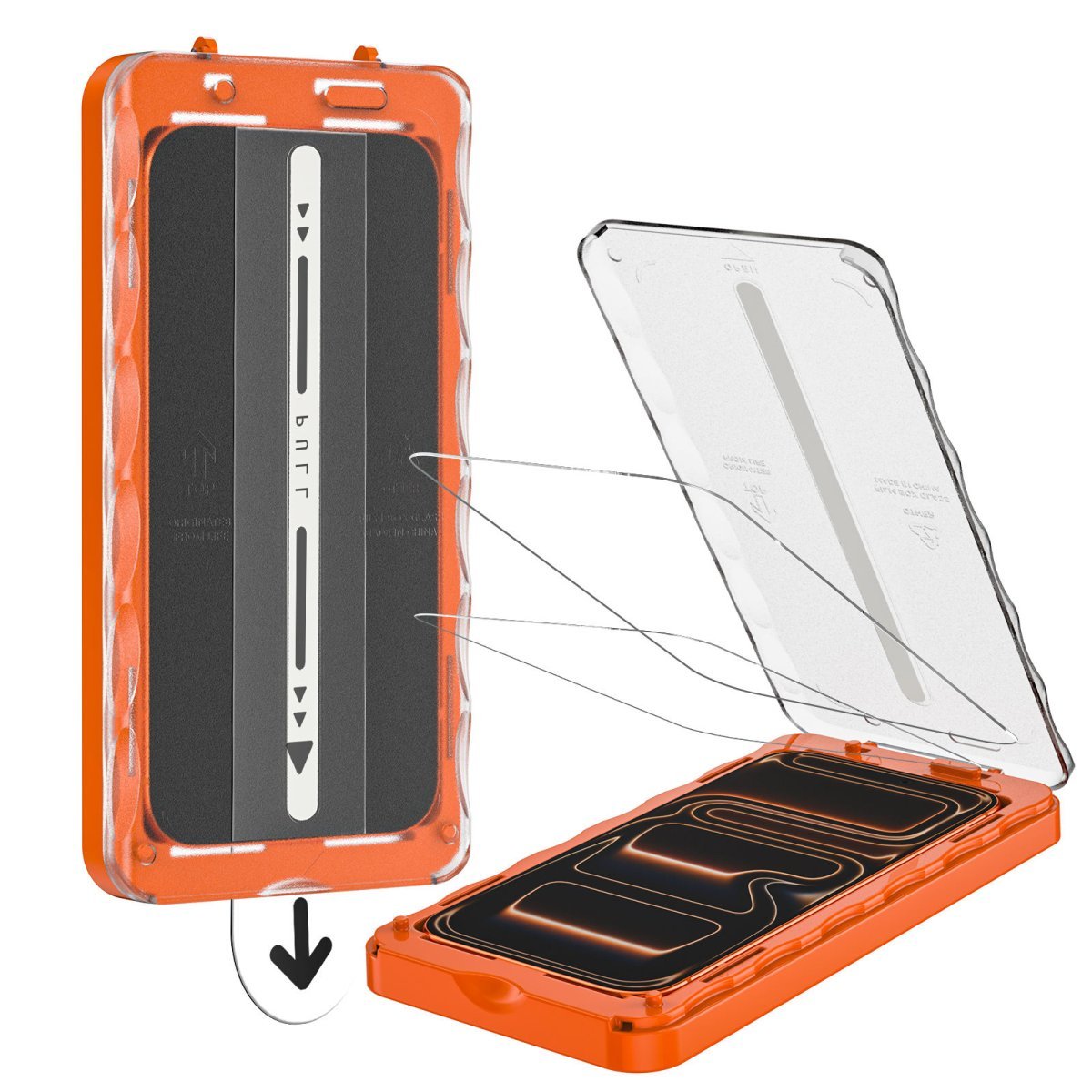
Standard accessory kits with wet wipe, dust sticker, and microfiber cloth usually add USD 0.12-0.30 per set. A simple printed sleeve may add USD 0.08-0.20, while a full OEM retail box often requires 1,000-3,000 pieces per design. Stock orders can often ship in 5-10 days; custom print programs usually need 15-25 days. For buyers covering multiple iPad and Samsung models, a total order of 3,000-5,000 pieces across 5-10 SKUs is a common level for negotiating better mixed pricing.
How to build a tablet glass program that actually sells
Bundle around use case, not just around device size
Top distributors do not sell tablet glass as an isolated SKU. They build bundles by buyer type. Education buyers care about durability and easy installation. Marketplace sellers care about packaging and review quality. Enterprise buyers care about privacy, anti-glare, and repeat availability.
Use a QC checklist before mass production
Before releasing the balance payment, ask the supplier to confirm these five points:
- Model-fit test: verify on real device or accurate dummy mold.
- Ink border alignment: black border should not block display area or camera.
- Adhesive consistency: no corner lift, rainbow effect, or weak edge bonding.
- Coating performance: check oleophobic layer, fingerprint resistance, and stylus glide if matte.
- Packaging drop safety: large tablet glass breaks more easily in transit, so retail box and carton design matter.
For repeat orders, the goal is a low complaint rate, not just a low first quotation.
FAQ
What is the normal MOQ for iPad tempered glass wholesale?
The normal MOQ is 500-1,000 pieces per SKU for standard clear glass. Customized packaging, privacy versions, or special coatings usually push MOQ to 1,000-3,000 pieces depending on model size and print requirements.
Which thickness sells best in 2026?
0.33 mm is still the safest mainstream thickness. It offers a good balance between strength, touch response, and buyer acceptance. Thinner 0.26 mm glass can feel premium, while thicker 0.4 mm glass is sometimes used for added rigidity on large panels.
Can one factory support multiple iPad and Samsung tablet models in one order?
Yes, many factories can mix models in one production run if the total quantity is strong enough. In practice, buyers often mix 5-10 SKUs within a 3,000-5,000 piece total order to improve pricing and reduce slow-moving inventory risk.
Is anti-glare better than clear tempered glass?
Anti-glare is better only for specific channels. It performs well in classrooms, bright retail counters, and productivity use, but standard clear glass still wins on lower cost and wider mainstream demand.
What compliance documents should buyers ask for?
At minimum, ask for RoHS/REACH material compliance, packaging specifications, and test records for fit and coating performance. For large retail programs, buyers should also confirm barcode, carton mark, and drop-test standards before shipment.
How long does OEM packaging usually take?
OEM packaging usually takes 15-25 days after artwork approval. If the buyer uses stock packing or a simple label solution, lead time can be much shorter, often around 5-10 days for available models.
If you are building an iPad or tablet accessories program for 2026, the smartest approach is to start with high-volume clear glass, add one premium anti-glare or privacy line, and keep packaging flexible enough for repeat orders. For factory pricing, mixed-model quotation, or OEM packaging support, contact Doolike for samples and a tailored wholesale quote.
Screen Protector Wholesale Next Step
Use this guide to define the product type, then compare available models and prepare a model-specific quotation:
- Screen protector wholesale category — review tempered glass models and bulk supply options.
- 9D vs 2.5D wholesale comparison — compare edge design, positioning and packaging decisions.
- iPad tempered glass wholesale guide — review tablet model planning, MOQ and OEM packaging.
RFQ checklist: send device models, quantity by model, protector type, edge preference, cleaning kit, logo, barcode, retail box and destination market. Request sample checks for dimensions, adhesive coverage, edge finish, clarity, touch response and transport protection.