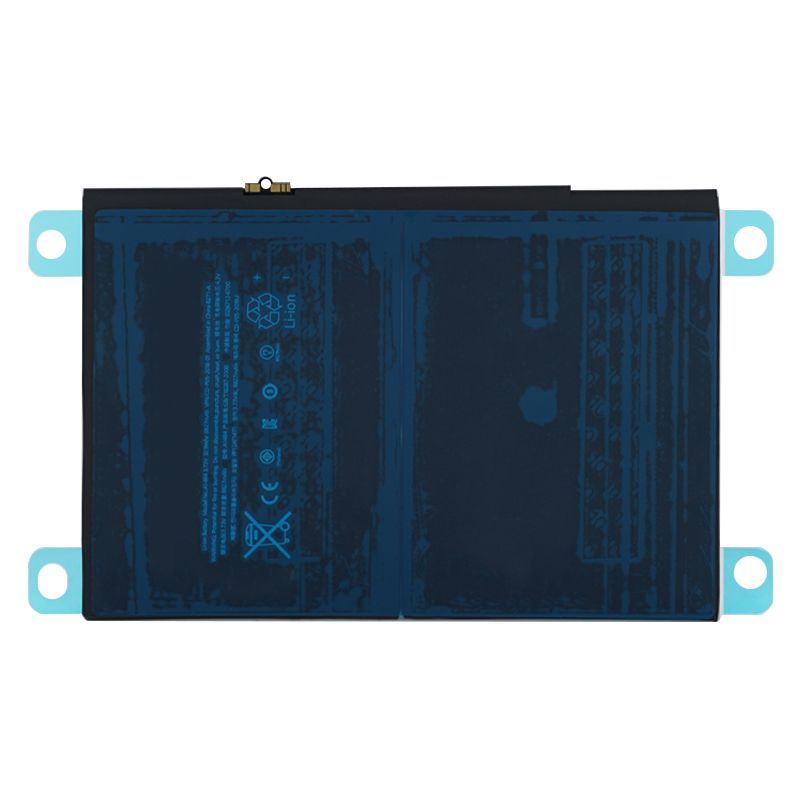
For professional repair business owners, nothing is more frustrating than a "comeback."
You replace a customer’s iPad Air battery, everything looks fine, but two weeks later, they return complaining about rapid draining, jumpy percentages, or worse—a swollen battery pushing up the screen.
These issues rarely stem from your workmanship. They stem from the inconsistent quality of the replacement batteries in the market.
As a dedicated mobile phone battery factory based in Guangzhou, Doolike understands the engineering behind these failures. Today, we are sharing the 3 critical factors you must check when sourcing wholesale iPad batteries to protect your reputation and profit margins.
1. The "Brain" of the Battery: Why TI Chipset Matters
Comparison: Doolike Battery vs. Cheap Aftermarket
| Feature | Doolike (TI Chip) | Cheap Copy |
|---|---|---|
| Percentage Display | Accurate (1% drops) | Unstable (Jumps) |
| Cell Quality | New 0-Cycle | Recycled / B-Grade |
| Swelling Risk | Low (Aging Tested) | High |
The most common complaint after an iPad battery replacement is accurate percentage display (e.g., dropping from 40% to 0% instantly). This is almost always an issue with the Gas Gauge IC.
Apple devices, particularly iPads, require precise communication between the battery and the logic board.
Cheap Aftermarket Batteries: Often use cloned or hacked generic chips. These struggle to read the exact capacity, leading to reboots and "fake" percentage readings.
Doolike Standard: We use Original TI (Texas Instruments) IC Solutions for our iPad series. The TI chip is the industry gold standard, ensuring the iPad reads the battery health data correctly, just like the original unit.
Pro Tip for Buyers: Always ask your supplier if their iPad batteries use a "TI Solution" or a generic one. The price difference is small, but the performance gap is massive.
2. "0-Cycle" vs. Recycled Cells
In the wholesale market, you will often encounter suspiciously cheap prices. Be warned: these are often "Recycled Cells" (or B-grade cells) repackaged as new.
Recycled Cells: These have already been used or have sat in warehouses for years. Their internal resistance is high, meaning they heat up quickly and degrade within months.
0-Cycle Cells: At Doolike, we use strictly brand-new, 0-cycle Cobalt cells. "0-Cycle" means the battery has never been discharged or recharged before it leaves our factory line. This guarantees the full capacity (e.g., 8827mAh for iPad Air 1) is available to your customer.
3. The Hidden Danger: Swelling and Safety
iPad batteries have a large surface area compared to phone batteries. If the manufacturing process doesn't include a rigorous Aging Test, gas can build up inside the sealed foil, leading to swelling.
A swollen battery in an iPad is a disaster—it can crack the expensive LCD screen or digitizer from the inside out.
Our Factory Protocol: Every Doolike battery undergoes a 72-hour aging test at 45°C before packaging. This stress test weeds out any potential defects. If a battery is going to fail or swell, we make sure it happens in our factory, not in your customer's device.
Conclusion: Price vs. Value
Sourcing batteries for $1.00 cheaper might seem like a win, but one single warranty return (costing you labor time and a new part) wipes out the profit of ten repairs.
At Guangzhou Doolike Electronic Technology, we don't just sell batteries; we sell peace of mind. We focus on providing high-capacity, TI-chip-equipped batteries that let you fix devices with confidence.
Ready to upgrade your repair parts inventory? [Click here to view our iPad Battery Catalog] and request a quote today. We support low MOQ for new partners to test our quality.