Certificazioni di sicurezza per caricabatterie GaN 2026: CE, FCC, UL e conformità all'ingrosso
Per importatori, distributori e marchi private-label, le certificazioni di sicurezza dei caricabatterie GaN non sono una questione secondaria. Decidono se una spedizione supera la dogana, se un'inserzione sui marketplace rimane online e se un cliente si fida del prodotto al punto da ripetere l'ordine. Nel 2026, gli acquirenti non chiedono più solo il wattaggio e il numero di porte. Chiedono anche se un caricabatterie è conforme per l'UE, gli Stati Uniti e altri mercati regolamentati.
Se vi rifornite dalla Cina, le tre etichette che sentirete più spesso sono CE, FCC e UL. Sono correlate, ma non intercambiabili. Un fornitore che dichiara "abbiamo la certificazione" senza mostrare il report esatto, il numero dello standard e l'ambito del prodotto non vi sta fornendo informazioni sufficienti. Gli acquirenti all'ingrosso hanno bisogno di una checklist più tecnica.
Questa guida spiega cosa significano realmente CE, FCC e UL per l'approvvigionamento di caricabatterie GaN, quale impatto aspettarsi su prezzi e MOQ e come evitare comuni errori di conformità prima della produzione di massa. Se state confrontando anche la strategia di prodotto dei caricabatterie, consultate la nostra Guida all'ingrosso dei caricabatterie GaN 2026. Per l'approvvigionamento in altre categorie, potete anche consultare la nostra Guida all'acquisto all'ingrosso di cavi USB-C 2026 e Ingrosso auricolari Bluetooth TWS nel 2026.
Perché le certificazioni contano di più per i caricabatterie GaN nel 2026
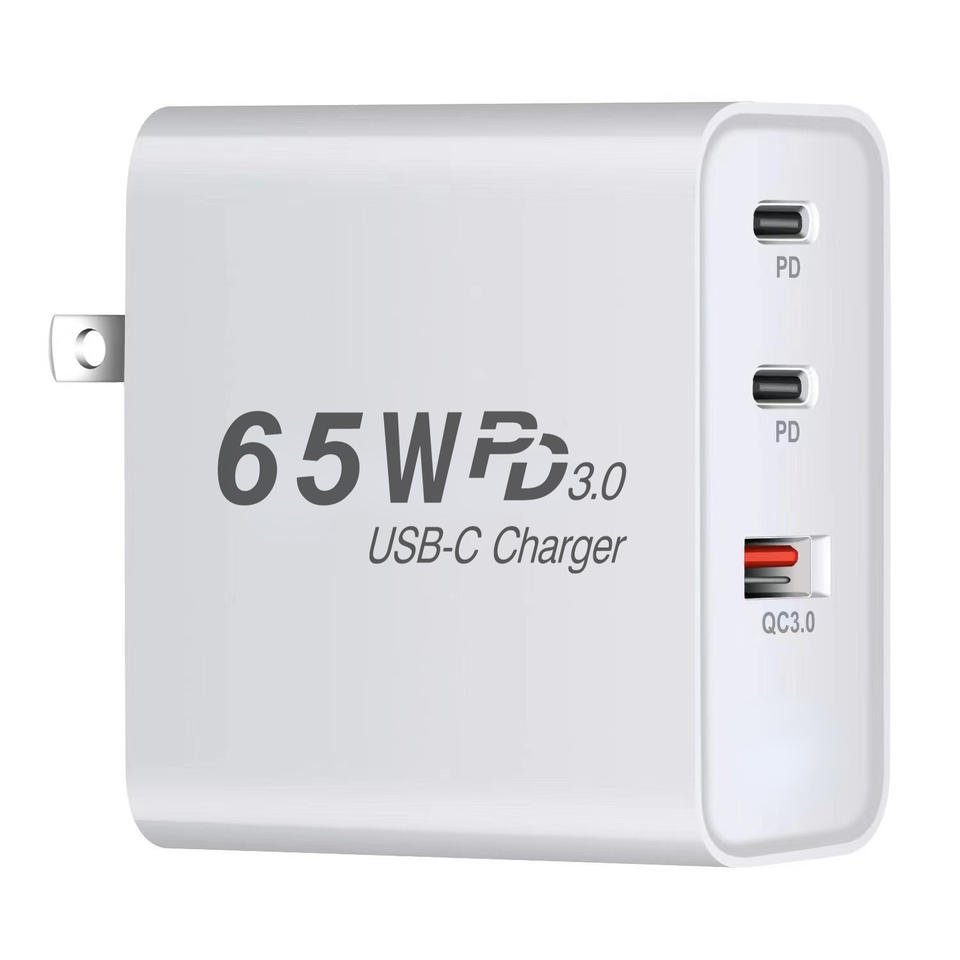
I caricabatterie GaN racchiudono una maggiore densità di potenza in alloggiamenti più piccoli. È proprio per questo che la categoria sta crescendo, ma è anche il motivo per cui i controlli sulle certificazioni si stanno intensificando. Un caricabatterie da 65W o 100W che si surriscalda, utilizza condensatori sottodimensionati o fallisce i test anomali può diventare rapidamente un problema di garanzia.
La domanda del settore si sta spostando verso la fascia alta. Secondo Grand View Research, il mercato globale dei dispositivi a semiconduttore al nitruro di gallio dovrebbe espandersi con un forte CAGR a due cifre per tutto il decennio, supportato dalla ricarica rapida, dall'elettronica di consumo e dalle applicazioni di conversione di potenza. Lato vendita al dettaglio, gli acquirenti si aspettano sempre più caricabatterie USB-C PD multiporta con documentazione di conformità chiara, non adattatori generici con etichette vaghe.
Per gli acquirenti all'ingrosso, la certificazione ha quattro effetti commerciali diretti:
- Sdoganamento: dichiarazioni errate o mancanti possono ritardare o bloccare le spedizioni.
- Accesso al marketplace: Amazon, le principali catene di vendita al dettaglio e i distributori regionali richiedono spesso test report o file di conformità.
- Controllo della responsabilità: i test documentati aiutano a ridurre l'esposizione a richiami e reclami.
- Posizionamento del marchio: i prodotti certificati supportano prezzi medi di vendita (ASP) più elevati e riducono gli attriti nei canali di vendita.
CE vs FCC vs UL: cosa copre effettivamente ogni certificazione
CE per il mercato europeo
La marcatura CE è obbligatoria per molti prodotti elettronici venduti nello Spazio Economico Europeo. Per i caricabatterie, il focus pratico è solitamente sulla sicurezza, EMC e conformità RoHS ai sensi delle direttive pertinenti e degli standard armonizzati. Il CE non è un singolo "certificato" rilasciato da un'unica autorità globale. In molti casi, per i caricabatterie, si tratta di un processo di conformità supportato da fascicoli tecnici, dichiarazioni e test report.
Per un acquirente all'ingrosso, la domanda chiave non è "Avete il CE?", ma "A quali direttive e standard è conforme questo esatto modello di caricabatterie, e potete fornire la Dichiarazione di Conformità e i test report?"
FCC per gli Stati Uniti
La conformità FCC si concentra sulle interferenze elettromagnetiche nel mercato statunitense. Per i caricabatterie da muro, il percorso applicabile dipende dal design del prodotto, dal comportamento di commutazione e dalla possibilità che il dispositivo generi emissioni involontarie. In pratica, molti acquirenti richiedono la documentazione dei test FCC come parte della loro due diligence sull'importazione e sul canale.
L'FCC non sostituisce i test di sicurezza. Un caricabatterie può superare i requisiti relativi all'EMI e fallire comunque le aspettative di sicurezza se il design interno è scadente.
UL per la fiducia nella sicurezza e l'accesso ai canali
UL è l'etichetta che molti acquirenti nordamericani associano più direttamente alla sicurezza del prodotto. In alcuni casi gli acquirenti richiedono la conformità relativa allo standard UL62368-1 o una valutazione di sicurezza equivalente da parte di un laboratorio riconosciuto. I grandi rivenditori, gli acquirenti aziendali e i canali sensibili alle assicurazioni spesso preferiscono componenti della catena di fornitura elencati UL (UL-listed) o riconosciuti UL (UL-recognized), anche quando non è legalmente obbligatorio per ogni via d'accesso al mercato.
L'UL generalmente aggiunge tempo e costi, ma può anche sbloccare clienti migliori. Se puntate alla vendita al dettaglio premium o agli acquisti aziendali, la conformità UL vale spesso la pena di essere pianificata nel prodotto fin dall'inizio.
Impatto tipico su costi, MOQ e tempi di consegna per caricabatterie GaN certificati
La certificazione cambia il modello di business. Un caricabatterie da 20W senza marchio potrebbe essere facile da quotare velocemente, ma un caricabatterie GaN da 65W conforme per i canali UE e USA richiede una BOM diversa, un miglior design del trasformatore, componenti tracciabili e test di pre-conformità.
| Articolo | Range tipico nel 2026 | Note |
|---|---|---|
| MOQ iniziale per modello certificato standard | 500-1.000 pz | Solitamente per stampi esistenti e alloggiamento fisso |
| MOQ per packaging private label + logo | 1.000-3.000 pz | Dipende dal processo di stampa e dall'etichettatura regionale |
| MOQ per alloggiamento personalizzato o nuovo tuning PCB | 3.000-5.000 pz | Più alto se è necessario un nuovo stampo o un importante redesign della potenza |
| Prezzo EXW per caricabatterie GaN porta singola 20W | US$2.20-US$3.80 | L'ambito della certificazione e il chipset influenzano la quotazione finale |
| Prezzo EXW per caricabatterie GaN doppia porta 65W | US$6.00-US$10.50 | Ampia variazione dovuta al controller IC, design termico e scocca |
| Tempi di consegna per la conformità | 2-6 settimane | Più lunghi se sono necessari nuovi test o correzioni documentali |
Questi range sono parametri di riferimento pratici per l'approvvigionamento, non prezzi fissi universali. Il costo effettivo dipende dalla potenza in uscita, dal tipo di spina, dal supporto dei protocolli come PD/PPS/QC, dall'inclusione del cavo, dal mercato di destinazione e dai requisiti di imballaggio.
Come gli acquirenti all'ingrosso dovrebbero verificare la conformità prima di effettuare un ordine
Richiedere report specifici per modello, non certificati generici
Il report deve corrispondere all'esatto numero di modello, alla potenza nominale e alla versione della spina del caricabatterie. Un fornitore potrebbe mostrare un report per una spina UE da 20W per un caricabatterie con spina USA da 65W. Questo non protegge la vostra spedizione.
Revisionare i numeri degli standard e i dettagli del laboratorio emittente
Controllate se i report fanno riferimento agli standard corretti e se il laboratorio emittente è credibile. Per i progetti sul mercato USA, molti acquirenti preferiscono laboratori con status riconosciuto o accettazione tracciabile dai loro partner di canale.
Confermare etichettatura, packaging e manuali
Un caricabatterie conforme può comunque fallire l'ispezione se il cartone, l'etichetta o il manuale d'uso sono errati. I marchi delle spine specifici per paese, i dettagli dell'importatore, i simboli di smaltimento e il linguaggio delle avvertenze sono tutti elementi fondamentali.
Ispezionare i componenti critici nella BOM
Chiedete quali controller primari, sistemi di isolamento del trasformatore, condensatori, optoisolatori e dispositivi di protezione vengono utilizzati. Sostituzioni economiche dopo l'approvazione del campione sono uno dei rischi più comuni nell'approvvigionamento di caricabatterie.
Errori comuni di conformità nell'approvvigionamento di caricabatterie GaN
- Utilizzare un unico report per più wattaggi: le versioni da 30W, 45W e 65W potrebbero necessitare di valutazioni separate.
- Ignorare le varianti di spina: le versioni con spina UE, US e UK non sono automaticamente coperte da un unico set di documenti.
- Saltare la revisione di pre-conformità: riprogettare dopo il fallimento dei test formali è costoso.
- Assumere che FCC equivalga all'approvazione di sicurezza: non è così.
- Cambiare i materiali dopo la certificazione: anche il cambio della resina dell'alloggiamento o dei pin dell'adattatore può creare nuovi rischi.
Una regola pratica: se il fornitore non riesce a organizzare un pacchetto di documenti di conformità pulito entro 24-48 ore, potrebbe non essere pronto per un serio business di esportazione.
Cosa consiglia Doolike per importatori e marchi private-label
Per la maggior parte degli acquirenti B2B, la strada più sicura è partire da una piattaforma già certificata, per poi personalizzare branding, packaging e caratteristiche elettriche selezionate all'interno di una finestra di progettazione già convalidata. Ciò riduce sia la pressione sul MOQ che il rischio di conformità.
In genere raccomandiamo questa logica di approvvigionamento:
- Scegliere prima il mercato di destinazione: UE, USA, UK o misto.
- Selezionare wattaggio e struttura delle porte: 20W, 30W, 45W, 65W o 100W.
- Verificare i documenti di conformità richiesti prima dell'approvazione della grafica.
- Bloccare BOM ed etichettatura prima del pagamento del deposito per la produzione di massa.
- Conservare un campione di riferimento finale (golden sample) e una checklist per l'ispezione della spedizione.
Se il vostro marchio sta ancora convalidando la domanda, iniziate con un modello standard da 20W o 65W pronto per CE/FCC con 500-1.000 unità. Se disponete già di canali di vendita al dettaglio, pianificate 1.000-3.000 unità per una presentazione private-label più forte e un packaging più flessibile.
Per gli acquirenti che necessitano di caricabatterie GaN OEM certificati per il mercato UE o USA, contattate Doolike qui. Possiamo aiutarvi a valutare il posizionamento del prodotto, l'ambito della certificazione e un MOQ fattibile in base al vostro canale.
FAQ: Certificazioni di sicurezza dei caricabatterie GaN per acquirenti all'ingrosso
Ho bisogno sia di CE che di FCC per l'ingrosso di caricabatterie GaN?
Sì, se vendete sia in Europa che negli Stati Uniti, solitamente è necessaria una copertura di conformità separata per ogni mercato. Il CE supporta la conformità al mercato UE, mentre l'FCC risponde alle aspettative di conformità elettromagnetica degli Stati Uniti.
L'UL è obbligatorio per vendere caricabatterie negli Stati Uniti?
No, l'UL non è sempre legalmente obbligatorio in ogni canale di vendita, ma molti rivenditori, distributori e acquirenti aziendali lo preferiscono fortemente o richiedono prove di sicurezza riconosciute equivalenti. Spesso è un requisito commerciale anche quando non è un obbligo legale universale.
Qual è un MOQ realistico per un caricabatterie GaN certificato nel 2026?
Un MOQ realistico è solitamente di 500-1.000 pezzi per un modello certificato standard e di 1.000-3.000 pezzi per il branding private-label. I design completamente personalizzati partono spesso da circa 3.000 pezzi o più.
Quanto aggiunge la certificazione al costo del prodotto?
Dipende dal livello di potenza e dall'ambito del progetto, ma i modelli conformi costano spesso il 10%-25% in più rispetto alle alternative con documentazione approssimativa a causa di componenti migliori, test, tracciabilità e controllo del packaging. Il sovrapprezzo è solitamente inferiore al costo di una spedizione fallita o di problemi di reso.
Come posso verificare se i report di un fornitore sono reali?
Richiedete il report completo, il numero di modello, i riferimenti agli standard e i dettagli del laboratorio emittente, quindi verificate se le informazioni corrispondono al vostro esatto caricabatterie. Gli acquirenti seri verificano anche se la grafica, la versione della spina e la BOM corrispondono al campione testato.
Quale fonte è utile per il contesto della domanda di mercato?
Grand View Research è un riferimento utile per il mercato più ampio dei dispositivi al nitruro di gallio, mentre i quadri di conformità FCC (USA) ed UE sono i riferimenti primari per le aspettative normative. Queste fonti aiutano gli acquirenti a comprendere sia la crescita del mercato che la direzione della conformità.
Le certificazioni non sono solo scartoffie. Fanno parte del design del prodotto, del controllo dei costi e della strategia di canale. Se volete costruire una linea di caricabatterie che superi i controlli doganali e guadagni la fiducia dei clienti a lungo termine, la conformità deve essere integrata fin dal primo giorno, non aggiunta alla fine.