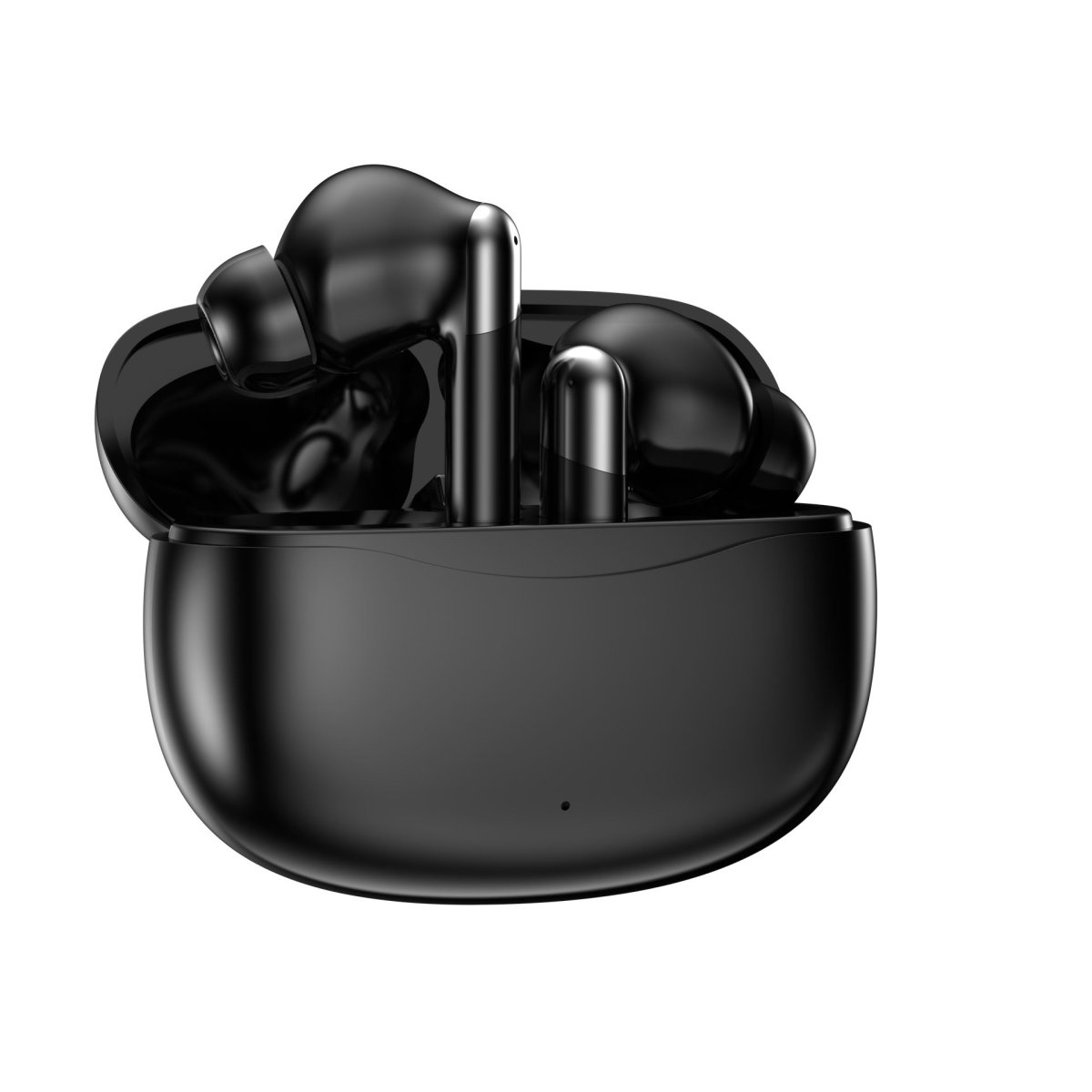
Großhandelstrends 2026 für Gaming-TWS-Ohrhörer mit niedriger Latenz: Funktionen, MOQ und OEM-Strategie
Gaming-TWS-Ohrhörer mit niedriger Latenz sind keine Nischen-SKU mehr. Im Jahr 2026 stehen sie an der Schnittstelle zwischen Mobile Gaming, Kurzvideo-Entertainment und erschwinglichem True-Wireless-Audio. Für Distributoren, Online-Verkäufer und Eigenmarken ist diese Kategorie attraktiv, da sie eine starke Verbrauchernachfrage mit sichtbarer Produktdifferenzierung kombiniert: Latenzmodus, RGB-Styling, ENC-Mikrofone, Akkulaufzeit und Verpackungsdesign sind für Käufer gleichermaßen wichtig.
Für Großhandelskäufer ist die Herausforderung simpel: Nicht jedes „Gaming-Earbuds“-Produkt ist tatsächlich für Spiele geeignet. Einige Fabriken werben mit einem Low-Latency-Modus von 45 ms oder 60 ms, aber die tatsächliche Leistung hängt von der Chipsatz-Abstimmung, der Bluetooth-Stabilität, der Telefonkompatibilität und der Firmware-Qualität ab. Deshalb geht es beim intelligenten B2B-Sourcing im Jahr 2026 weniger darum, den günstigsten Stückpreis zu jagen, sondern vielmehr darum, den richtigen Spezifikationsmix für Ihren Zielmarkt zu wählen.
Wenn Sie einen breiteren Katalog für Audio- oder Ladezubehör aufbauen, hilft es auch, diese Kategorie mit verwandten Artikeln zu verknüpfen, wie z. B. TWS-Bluetooth-Ohrhörer Großhandel 2026, GaN-Ladegerät Großhandel Guide 2026 und USB-C-Kabel Großhandel Einkaufsführer 2026. Diese verknüpften Kategorien werden in grenzüberschreitenden B2B-Kanälen oft zusammen verkauft.
Warum Gaming-TWS-Ohrhörer mit niedriger Latenz im Jahr 2026 wichtig sind
Mobile Gaming bleibt einer der Haupttreiber für die Nachfrage nach kabellosem Zubehör. Laut IDC liegt das weltweite Smartphone-Volumen weiterhin bei über einer Milliarde Einheiten jährlich, was eine massive installierte Basis für mobiles Zubehör unterstützt. Gleichzeitig bleibt TWS eine der aktivsten Unterkategorien in der Unterhaltungselektronik, da Käufer Ohrhörer häufiger ersetzen oder aufrüsten als größere Audioprodukte.
Gaming-orientierte Ohrhörer sind wichtig, weil Verbraucher heute eine bessere Audiosynchronisation in Titeln wie PUBG Mobile, Call of Duty: Mobile und Free Fire erwarten. Sie bemerken Verzögerungen auch beim Ansehen von Kurzvideos, beim Streamen von Live-Inhalten oder bei der Nutzung von Sprach-Chats in Multiplayer-Sessions. Dies schafft einen klaren Verkaufsaspekt für Importeure und Eigenmarken: „weniger Verzögerung, klarere Stimme, längere Akkulaufzeit“.
Was Käufer verlangen
- Low-Latency-Modus unter 65 ms für Mainstream-Modelle
- Bluetooth 5.3 oder höher für bessere Verbindungsstabilität
- ENC-Dual-Mikrofone für die Sprachkommunikation
- Akkulaufzeit von 4–6 Stunden pro Ladung, 20–30 Stunden mit Ladecase
- USB-C-Aufladung und verkaufsfertige Geschenkbox-Verpackung
- RGB- oder Esports-Design zur visuellen Differenzierung
Im Einstiegs- bis Mittelklassemarkt liegen die Ab-Werk-Preise im Großhandel in der Regel zwischen etwa 4,80 US$ und 11,50 US$ pro Paar, abhängig von Chipsatz, Akkukonfiguration, Mikrofonanzahl und Verpackungsanforderungen. Diese Spanne ist breit genug, um verschiedene Kanäle zu bedienen, vom Discount-Einzelhandel bis hin zu Markenverkäufern auf Amazon oder Marktplätzen.
Wichtige Spezifikationen, die die Gaming-Leistung tatsächlich beeinflussen
Latenz ist wichtig, aber Chipsatz und Firmware zählen mehr
Auf dem Papier bewerben Lieferanten oft Low-Latency-Modi von 40 ms, 45 ms oder 60 ms. In der Praxis sollten Käufer diese Angaben als Laborwerte oder Werte unter Idealbedingungen betrachten. Für Mainstream-Großhandelsprojekte ist ein realistischer Sourcing-Benchmark die Bewertung, ob das Produkt während des tatsächlichen Spielens und der Videonutzung konsistent in der 50–80-ms-Klasse arbeitet. Das ist für die Mehrheit der mobilen Gamer normalerweise völlig ausreichend.
Die Wahl des Chipsatzes hat hier einen direkten Einfluss. Im breiteren TWS-Markt werden häufig Plattformen von Airoha, Qualcomm und Realtek diskutiert, aber bei Gaming-fokussierten OEM-Projekten hängt die richtige Entscheidung von Ihrer Preisklasse und den erforderlichen Funktionen ab. Qualcomm-basierte Lösungen bieten möglicherweise einen höheren Markenwert und fortschrittliche Audiofunktionen, erhöhen jedoch oft die Materialkosten (BOM). Realtek und andere Mainstream-Lösungen können für volumenstarke Einzelhandelsprojekte kosteneffizienter sein. Die richtige Antwort ist nicht universell; sie hängt von Ihrem Zielpreis und Ihrer Leistungsschwelle ab.
Mikrofonqualität und Sprachaufnahme
Bei Gaming-Ohrhörern geht es nicht nur um das Hören. Die Teamkommunikation ist entscheidend. Im Jahr 2026 fordern B2B-Käufer zunehmend ENC-Mikrofonkonfigurationen, da eine klare Sprachaufnahme die Nutzerbewertungen verbessert und Retouren reduziert. Ein Modell mit nur einem Mikrofon mag für Ultra-Budget-Kanäle akzeptabel sein, aber Dual-Mikrofon-ENC ist zu einer sichereren Großhandelsbasis für Mittelklasse-Projekte geworden.
Kapazität von Akku und Ladecase
Für Gaming-TWS-Produkte ist eine praktische Spezifikation 30–40 mAh pro Ohrhörer und 300–400 mAh für das Case. Das unterstützt in der Regel etwa 4 bis 5,5 Stunden Wiedergabe, abhängig von der Lautstärke und davon, ob der Low-Latency-Modus dauerhaft aktiviert ist. Großhandelskäufer sollten nicht nur die angegebene Akkulaufzeit verifizieren, sondern auch die Zyklusstabilität und die Ladekonsistenz über verschiedene Produktionschargen hinweg.
MOQ, Preisgestaltung und OEM-Strategie für Großhandelskäufer
Typische MOQ-Bereiche im Jahr 2026
| Projekttyp | Typische MOQ | Anmerkungen |
|---|---|---|
| Offenes Modell / Neutraler Lagerbestand | 100–300 Stk. | Schnellster Marktstart, geringstes Werkzeugrisiko |
| Logodruck + individuelle Box | 500–1000 Stk. | Ideal für Distributoren und Online-Marken |
| Tieferes OEM mit Farb-/Verpackungsänderungen | 1000–3000 Stk. | Bessere Margen, längere Vorlaufzeit |
| ODM / Eigene Formgestaltung | 3000+ Stk. | Höhere Investition, stärkere Differenzierung |
Für die meisten kleinen und mittleren Importeure liegt der „Sweet Spot“ bei Logo- und Verpackungs-OEM bei etwa 500 bis 1000 Einheiten. Dieses Niveau hält das finanzielle Risiko überschaubar und bietet dennoch genügend Raum für das Branding.
Typische Preisaufschlüsselung
- Günstige Low-Latency-Modelle: ca. 4,80 US$ – 6,50 US$
- Mittelklasse-ENC-Gaming-TWS: ca. 6,80 US$ – 9,50 US$
- Höherwertige Modelle mit Marken-Chipsatz: ca. 9,80 US$ – 11,50 US$+
Verpackung, Handbücher, Zertifizierungsetiketten und Zubehörpakete können leicht 0,30 US$ bis 1,20 US$ pro Einheit hinzufügen. Wenn Sie bessere Margen benötigen, verhandeln Sie nicht nur über den Ohrhörer selbst. Überprüfen Sie auch die Kartongröße, die Einlegematerialien, die Beigabe von Kabeln und die Anzahl der Farben in der bedruckten Verpackung.
Markttrends, die Distributoren beobachten sollten
1. Gaming-Stil wird massentauglich
Was früher ein Nischen-„Esports-Look“ war, hält nun Einzug in das Zubehör für den Massenmarkt. Transparente Deckel, LED-Anzeigen, metallische Akzente und kantige Ladecases werden in niedrigeren Preisklassen immer häufiger. Dies ist wichtig, da die visuelle Attraktivität im Regal die Konversion sowohl im stationären Einzelhandel als auch bei E-Commerce-Thumbnails beeinflusst.
2. Niedrige Latenz allein reicht nicht mehr aus
Käufer erwarten heute ein Gesamtpaket, nicht nur eine einzelne Funktion. Ein Produkt mit Low-Latency-Modus, aber schwacher Mikrofonqualität oder instabiler Kopplung wird in den Bewertungen schlecht abschneiden. Im Jahr 2026 ist eine besser vermarktbare Kombination: niedrige Latenz + ENC + Bluetooth 5.3 + USB-C + 20+ Stunden Gesamtakku.
3. White Label bleibt stark für aufstrebende Marken
Viele Verkäufer bevorzugen weiterhin White-Label- oder Light-OEM-Projekte, da Geschwindigkeit entscheidend ist. Wenn Ihr Markt die Nachfrage in Südostasien, dem Nahen Osten, Afrika oder Lateinamerika testet, kann ein offenes Modell mit individueller Verpackung klüger sein als eine schwere ODM-Investition. Es verkürzt die Einführungszeit und vereinfacht Nachbestellungsentscheidungen.
Grand View Research verfolgt weiterhin ein starkes Wachstum in allen True-Wireless-Stereo-Kategorien, was die Annahme stützt, dass differenzierte TWS-Untersegmente aktiv bleiben werden. Für Großhändler bedeutet dies, dass Nischenpositionierungen wie Gaming, Sport und Premium-ANC weiterhin eine Nachfrage auf Artikel- und Produktebene generieren werden.
So wählen Sie den richtigen Lieferanten, ohne enttäuscht zu werden
Prüfen Sie das Produkt, nicht nur das Muster
Ein gutes Muster reicht nicht aus. Fragen Sie die Lieferanten nach den QC-Prüfpunkten in der Massenproduktion, der Eingangsprüfung der Batterien, den Teststandards für Mikrofone und den Ausfallraten bei der Bluetooth-Kopplung. Fordern Sie nach Möglichkeit ein kurzes Testvideo an, das das Umschalten des Latenzmodus, Sprachanruftests und die Montage des Ladecases zeigt.
Zertifizierung und Markttauglichkeit prüfen
Für viele Zielmärkte bleiben CE, FCC und RoHS die gängigen Basisanforderungen. Wenn Sie über formelle Einzelhandelskanäle verkaufen, sind auch die Konformität der Verpackung und die Dokumentation für den Batterietransport wichtig. Fragen Sie, ob für das Modell bereits Dokumente vorliegen oder ob Tests pro Bestellung arrangiert werden.
Produktspezifikation auf die Kanalstrategie abstimmen
Überreizen Sie die Spezifikationen eines Produkts nicht für einen preisbewussten Kanal. Für den Discount-Einzelhandel kann ein stabiles 5–7-US$-Modell mit akzeptablem Gaming-Modus ein fortschrittlicheres Modell übertreffen, das den Verkaufspreis zu weit nach oben treibt. Für Marktplätze oder Marken-E-Commerce können eine klarere Differenzierung und eine stärkere Präsentation höhere Einstandskosten rechtfertigen.
Wenn Sie eine breitere Zubehörlinie entwickeln, können Sie Gaming-TWS mit Schnellladegeräten oder Kabeln bündeln. Das ist ein Grund, warum viele Käufer bei der Planung ihrer Katalogstrategie auch angrenzende Kategorien wie GaN-Ladegeräte und USB-C-Kabel studieren.
FAQ: Großhandel mit Gaming-TWS-Ohrhörern mit niedriger Latenz
Was ist ein guter Latenz-Zielwert für Gaming-Ohrhörer im Großhandel 2026?
Ein guter Zielwert für Mainstream-Großhandelsprojekte liegt in der Regel unter 65 ms im Low-Latency-Modus, mit einer stabilen Leistung im realen Einsatz im Bereich von 50–80 ms. Alles, was darunter liegt, ist attraktiv, aber Konsistenz ist wichtiger als eine Marketingzahl.
Was ist die normale MOQ für Gaming-TWS-Ohrhörer mit Eigenmarke?
Die normale MOQ liegt in der Regel bei 500–1000 Stück für Logodruck und individuelle Verpackung. Lagerware kann bei etwa 100–300 Stück beginnen, während tiefere OEM- oder ODM-Projekte oft 1000–3000+ Stück erfordern.
Wie viel kosten Gaming-TWS-Ohrhörer mit niedriger Latenz im Großhandel?
Die typischen Ab-Werk-Preise liegen im Jahr 2026 bei etwa 4,80 US$ bis 11,50 US$ pro Paar. Der Endpreis hängt von Chipsatz, Akku, Mikrofon-Setup, Zertifizierungen, Verpackung und dem Bedarf an Markenzubehör ab.
Welche Funktionen sind neben der niedrigen Latenz am wichtigsten?
Die wichtigsten Funktionen sind Bluetooth-Stabilität, ENC-Mikrofone, Akkulaufzeit, USB-C-Ladung und ein zuverlässiges Ladecase. Diese Faktoren beeinflussen die Nutzerzufriedenheit stärker als das Design allein.
Sollten Käufer White Label, OEM oder ODM wählen?
Die meisten Käufer sollten mit White Label oder Light OEM beginnen, da dies das Risiko verringert und die Vorlaufzeit verkürzt. ODM ist nur dann sinnvoll, wenn Sie bereits über ein vorhersehbares Bestellvolumen und eine klare Marktposition verfügen.
Welche Märkte sind am stärksten für Gaming-TWS-Ohrhörer?
Preisbewusste, aber schnell wachsende Kanäle in Südostasien, dem Nahen Osten, Afrika und Lateinamerika bleiben attraktiv, insbesondere für Modelle im erschwinglichen mittleren Preissegment. Online-Marken in Europa und Nordamerika bevorzugen möglicherweise eine stärkere Differenzierung bei Verpackung und Spezifikationen.
Fazit
Gaming-TWS-Ohrhörer mit niedriger Latenz sind im Jahr 2026 eine echte Großhandelschance, aber nur, wenn Sie diszipliniert einkaufen. Die Erfolgsformel lautet nicht „der niedrigste Preis“. Es ist ein stabiles Produkt mit glaubwürdiger Gaming-Leistung, klarer Sprachqualität, praktischer Akkulaufzeit und einer OEM-Flexibilität, die zu Ihrem Markt passt.
Wenn Sie Ihre Gaming-Audio-Produktlinie aufbauen oder erweitern möchten, kann Doolike Ihnen helfen, geeignete TWS-Modelle, OEM-Verpackungsoptionen und Möglichkeiten für Zubehör-Bundles zu bewerten. Kontaktieren Sie Doolike hier, um Ihren Zielmarkt, Ihre MOQ und Ihren Angebotsbedarf zu besprechen.
Referenzierte Quellen: IDC Smartphone-Marktverfolgung und Grand View Research True-Wireless-Stereo-Marktanalyse.